
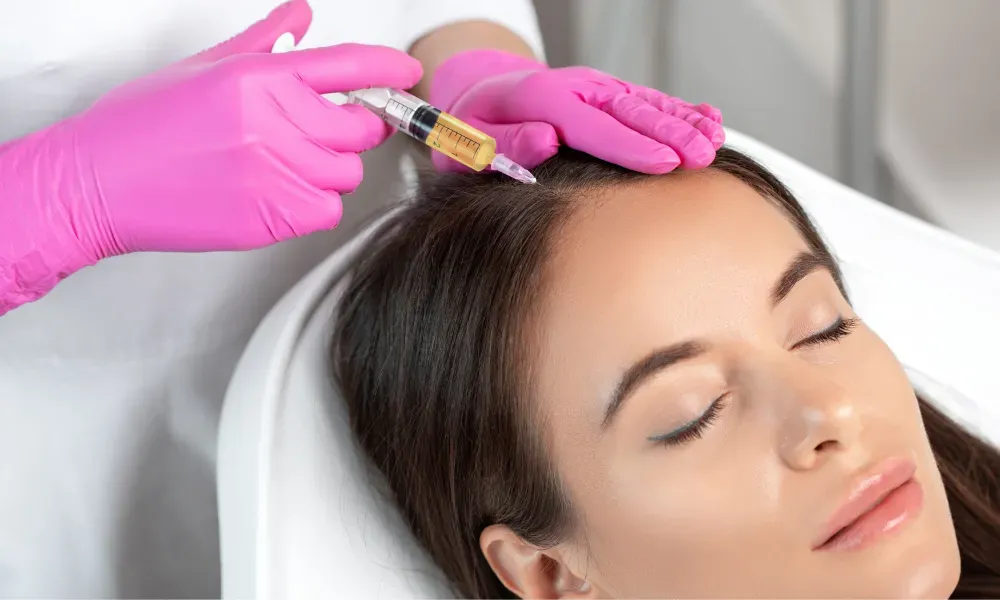
PRP therapy, also called platelet-rich plasma therapy, is a medical treatment that may help reduce hair loss and support hair regrowth. It uses your own blood to help stimulate healing and growth in the scalp. PRP is also used in other areas of medicine, such as treating muscle or joint injuries, because it helps the body repair itself naturally.
What is PRP, and how does it work?
PRP therapy is a three-step process. First, a small amount of blood is taken from your arm, similar to a regular blood test. This blood is then placed into a machine called a centrifuge. The centrifuge spins the blood very fast to separate its parts. After spinning, the blood separates into layers. One of these layers is platelet-rich plasma, which contains a high number of platelets.
Platelets are important because they help with blood clotting and also contain growth factors. These growth factors can support healing, tissue repair, and cell growth. In the final step, the prp Hair treatment in chennai platelet-rich plasma is drawn into a syringe and injected into areas of the scalp where hair is thinning or falling out.
Researchers believe PRP may help hair loss by increasing blood flow to hair follicles, improving hair thickness, and protecting follicles from early shedding. Several studies suggest that PRP can improve hair density and strength over time, although results vary from person to person.
How often is PRP treatment done?
There is no single treatment schedule that works for everyone. Some people receive injections every few weeks for a few months, while others may have monthly sessions over a longer period. Doctors agree that the concentration of platelets is an important factor in how effective the treatment is.
Side effects of PRP for hair loss
Because PRP uses your own blood, the risk of serious reactions is low. However, some individuals may notice mild side effects. These can include pain or discomfort at the injection site, headaches, itching, swelling, or temporary skin discoloration. These side effects typically fade within a short period.
Risks to consider
Although PRP is generally safe, some factors can increase the risk of side effects. These include certain medical conditions, low platelet levels, anemia, infections, smoking, or taking specific medications like anti-inflammatory drugs close to treatment time. It is very important to tell your healthcare provider about all medications, supplements, and health conditions before starting PRP therapy.
Cost of PRP for hair loss
PRP therapy can be expensive. The cost per session usually ranges from $500 to $2,500, depending on location, equipment used, and the clinic. Multiple sessions are often needed, which can increase the total cost. Most insurance plans do not cover PRP for hair loss because it is considered a cosmetic treatment. Some clinics may offer payment plans.
Conclusion
PRP therapy may help improve hair thickness and slow hair loss for some people. While it is not a guaranteed cure, it is a natural treatment option with limited side effects. Talking to a qualified healthcare professional can help you decide if PRP is right for you.