
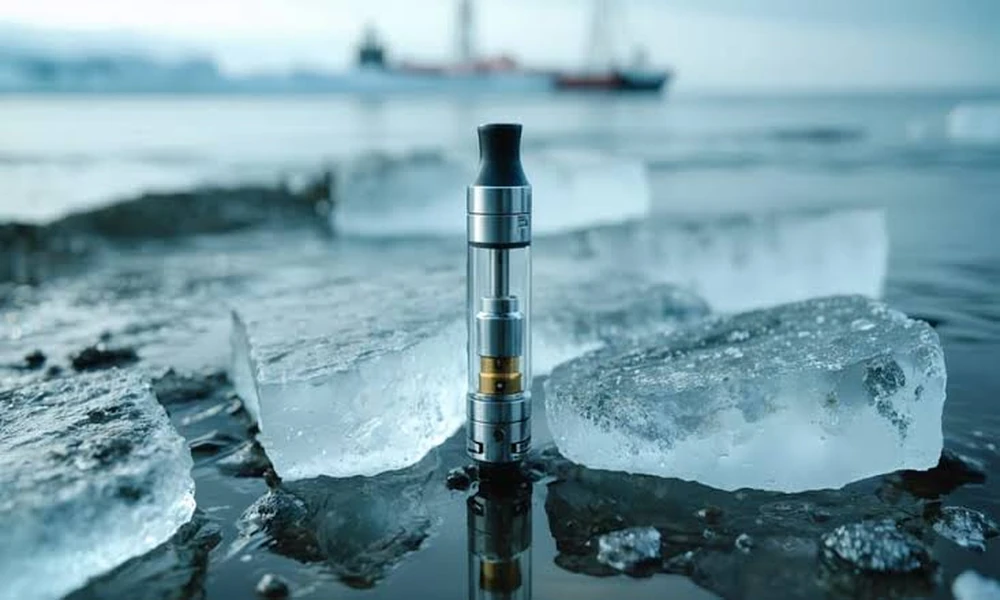
THCP binds to cannabinoid receptors with far greater force than regular THC due to the carbon side chain stretch to seven instead of five links. The molecule behaves differently because of that small extension. It binds tighter, stays in place longer, and responds harder, which is why early studies measured its affinity beyond delta 9. Vape makers took notice quickly. A cartridge needs only a trace of THCP to shift the entire session, so brands treat it almost like a spice rather than a base ingredient. Exhale Wellness formulates around this reality by blending small measured amounts with softer cannabinoids instead of selling it raw. Most shoppers assume that THCP products are overrated due to their potency claims. First session strength is chemically different, documented, and noticeable. A lab report gives you better information about the amount of THCP inside a formula than any label ever will.
Why do claims vary so widely?
Claims vary because THCP content differs enormously between products, and no standard measuring convention exists yet across the industry. One brand advertises a THCP vape containing a meaningful percentage, another uses a fraction of that amount, and both print similar bold language on the box. The confusion multiplies when blends enter the picture. Most cartridges pair THCP with delta 8, THCA, or other cannabinoids, so the felt experience depends on the whole recipe rather than the headline compound alone. Terpene choices push things further in either direction. Testing gaps play their part too, since some sellers publish full third-party panels while others skip potency verification entirely. Shoppers comparing two products side by side are often comparing two completely different formulas wearing the same vocabulary. Reading the actual milligram numbers on a lab report cuts through the noise faster than anything else.
Reading labels correctly
A THCP vape label rewards slow reading. The first number worth finding is the actual THCP quantity, usually listed in milligrams rather than percentage, and often smaller than the front of the package suggests. Total cannabinoid content comes next, because that figure reveals how much of the experience belongs to supporting compounds rather than the star ingredient.
Lab reports specific to a particular batch matter here more than anywhere else. With QR codes, you can verify potency, confirm solvents are absent, and show the seller tests every run. High-potency claims with missing paperwork are clear warning signs.
Anyone moving from standard vapes to THCP needs new habits from the first pull. Onset creeps in slowly, sometimes taking twenty minutes or more, and impatient extra draws stack up before the initial ones report back. One small pull followed by a genuine wait remains the sensible pattern until personal response becomes clear. Duration stretches too, with sessions commonly running past the point where familiar cartridges would have faded. Evening suits the compound naturally, since its heavy arc pairs poorly with obligations. Tolerance from years of regular flower does not transfer cleanly either, and overconfident veterans report surprises more often than careful beginners do.