
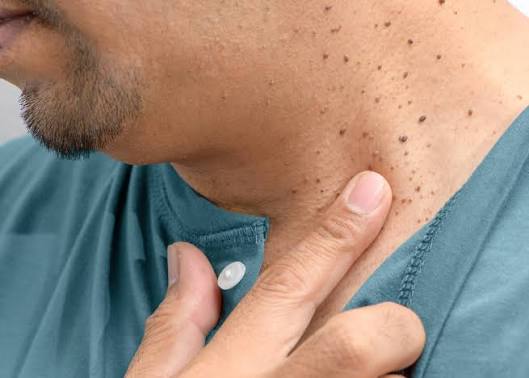
Skin tags are common, harmless skin growths that can appear on different parts of the body. Although they are usually not a cause for concern, some people may find them uncomfortable or undesirable, particularly when they rub against clothing or become irritated. Individuals considering Skin Tag Removal Birmingham can benefit from learning about the causes of skin tags, when medical assessment may be necessary, and what professional treatment involves.
What Are Skin Tags and Why Do They Develop?
Skin tags, medically known as acrochordons, are soft, small growths of skin that often hang from the surface on a narrow stalk. They are generally flesh-coloured or slightly darker and typically develop without causing pain. Most skin tags are benign, meaning they are not cancerous.
The exact reason why skin tags develop is not always clear. However, friction between skin surfaces may contribute to their formation. They are more common in adults, particularly as people grow older. Hormonal changes, genetics, and certain health conditions may also be associated with their development. Having skin tags does not necessarily indicate an underlying medical problem.
Common Areas Where Skin Tags Appear
Skin tags tend to develop in areas where skin rubs against skin or clothing. Common locations include the neck, armpits, eyelids, groin, and underneath the breasts. They may also appear around the upper chest or other skin folds.
Their size can vary, with some growths being only a few millimetres wide. Others may become larger over time. Skin tags can occur individually or in clusters, and their appearance may differ from one person to another.
When Should a Skin Tag Be Medically Assessed?
Most skin tags do not require treatment unless they cause discomfort or become a cosmetic concern. However, a growth that changes noticeably should be assessed by a qualified healthcare professional. Changes in colour, size, shape, or texture may require further examination.
Medical assessment is particularly important if a growth begins bleeding without an obvious cause, becomes painful, or develops persistent irritation. Not every skin growth is a skin tag, so obtaining an accurate diagnosis before attempting removal is essential. A healthcare professional can distinguish common skin tags from other types of growths that may need different treatment.
Overview of Professional Removal Methods
Professional skin tag removal typically involves a straightforward procedure selected according to the growth’s size, location, and appearance. Common techniques include cutting the skin tag away with sterile medical instruments, freezing it through cryotherapy, or applying a method that removes the growth using controlled heat.
A clinician will assess the area before recommending an appropriate approach. Local anaesthetic may be used when necessary to improve patient comfort. The procedure itself may be relatively quick, although the overall appointment time depends on the number of growths being treated and the method selected.
Patients should avoid attempting to remove skin tags at home with scissors, blades, or unverified chemical products. These methods can cause bleeding, infection, and scarring.
Aftercare and Skin Recovery Considerations
Following professional removal, patients should follow the healthcare professional’s aftercare instructions carefully. The treated area may experience mild redness, tenderness, or swelling, depending on the technique used. Keeping the area clean and avoiding unnecessary friction can support recovery.
Patients should also avoid picking at scabs or irritating the healing skin. The recovery period varies according to the removal method and the individual’s skin condition. Any unusual swelling, increasing pain, discharge, or persistent redness should be discussed with a healthcare professional.
Understanding the available treatment options and potential aftercare requirements allows patients to approach skin tag removal with realistic expectations and greater confidence.