
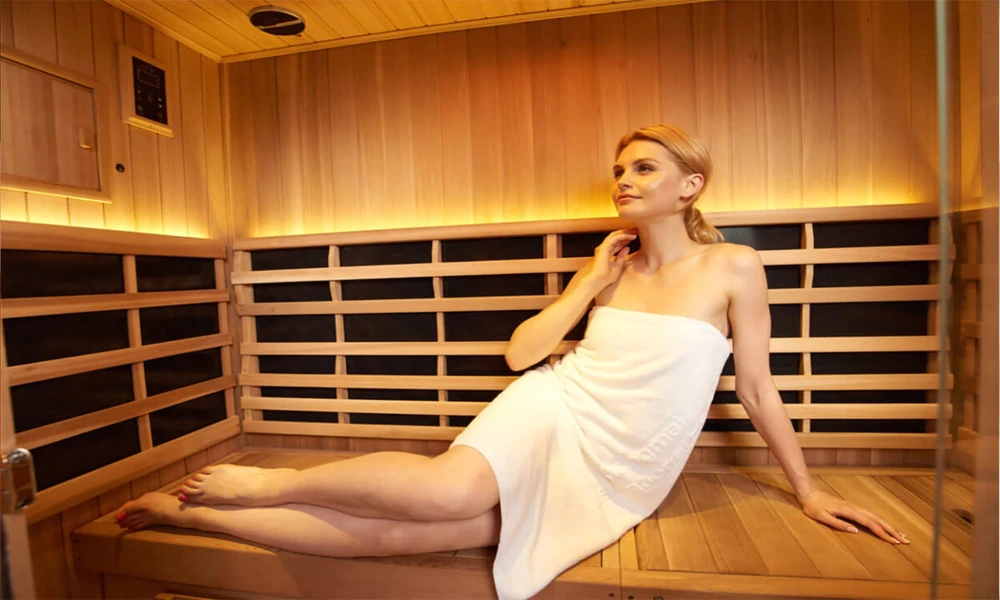
Understanding Infrared Sauna Technology
Infrared saunas have become an option for individuals who want to include heat-based relaxation in their home wellness routines. Unlike conventional heating systems that primarily warm the surrounding air, infrared sauna equipment uses infrared elements to transfer heat directly to the body. Anyone researching home equipment can examine information available through bestinfraredhomesauna.us.com alongside manufacturer specifications, safety instructions, and independent product details. Understanding how the technology works is important before deciding whether a home unit suits personal comfort, available space, and everyday routines.
Infrared energy is part of the electromagnetic spectrum and is experienced as heat. Home sauna units commonly use different infrared wavelengths, including near, mid, and far infrared. The design, heating arrangement, temperature controls, and materials can vary between models, so product specifications should be reviewed rather than assuming all units operate identically.
How Infrared Saunas Differ From Traditional Saunas
Traditional saunas generally heat the air inside an enclosed room, often reaching relatively high temperatures. Infrared models use heating panels or elements to produce radiant heat, and many operate at lower air temperatures than conventional saunas. The experience can therefore feel different, although individual comfort depends on the equipment and session settings.
Both types involve exposure to heat and can increase sweating. Neither should be treated as a replacement for medical care, prescribed treatment, or regular physical activity.
Potential Wellness and Relaxation Benefits
A sauna session may provide a quiet opportunity to relax after a busy day or physical activity. Some individuals enjoy the warmth as part of a personal recovery routine, while others value the time away from screens and everyday distractions. Heat exposure may temporarily increase circulation and heart rate, but these effects should not be confused with proven treatment for medical conditions.
Claims that infrared saunas cure illnesses, produce significant weight loss, or remove toxins should be approached cautiously. Sweating mainly helps regulate body temperature, and temporary changes in body weight after a session are generally related to fluid loss.
Important Features to Examine in Home Sauna Equipment
Before purchasing a home unit, examine its dimensions, seating capacity, heating system, electrical requirements, construction materials, and control options. Temperature sensors, automatic shut-off functions, clear operating instructions, and suitable ventilation are useful considerations.
Buyers should also check the manufacturer’s warranty, installation requirements, maintenance guidance, and availability of customer support. Electrical installation should follow the manufacturer’s instructions and applicable safety standards.
Temperature, Session Duration, and Hydration Considerations
Beginners should start with shorter sessions and comfortable temperature settings rather than attempting prolonged heat exposure. The manufacturer’s guidance should determine operating limits, while personal tolerance should guide gradual adjustments. Drinking water before and after a session helps replace fluids lost through sweating.
Anyone who feels dizzy, nauseated, unusually weak, or uncomfortable should leave the sauna and cool down. People with cardiovascular conditions, blood pressure concerns, pregnancy, or other health considerations should seek medical advice before regular heat exposure. Alcohol and sauna use should not be combined.
Integrating Sauna Use into a Balanced Fitness Routine
Infrared sauna sessions can be an optional addition to a wider wellness routine that includes exercise, adequate sleep, hydration, and balanced nutrition. They should not replace warm-ups, cool-downs, rest days, or appropriate recovery practices. Keeping sessions moderate and paying attention to comfort helps make home sauna use a more practical part of everyday wellness.