
Living with arthritis can be challenging. The constant stiffness, pain and fatigue can make even the simplest movements feel tough. While medications and lifestyle changes are helpful, many people are now turning to massage therapy for natural relief.
Arthritis massage not only eases sore muscles but also helps joints feel more flexible and relaxed. When done regularly, it can become an important part of your arthritis care routine. Let’s explore how massage therapy can help support joint health, ease discomfort, and improve your overall quality of life.
What is Arthritis?
Arthritis is a term used for over a hundred different joint problems. The most common types include osteoarthritis, caused by wear and tear of the joints and rheumatoid arthritis, an autoimmune condition that leads to inflammation.
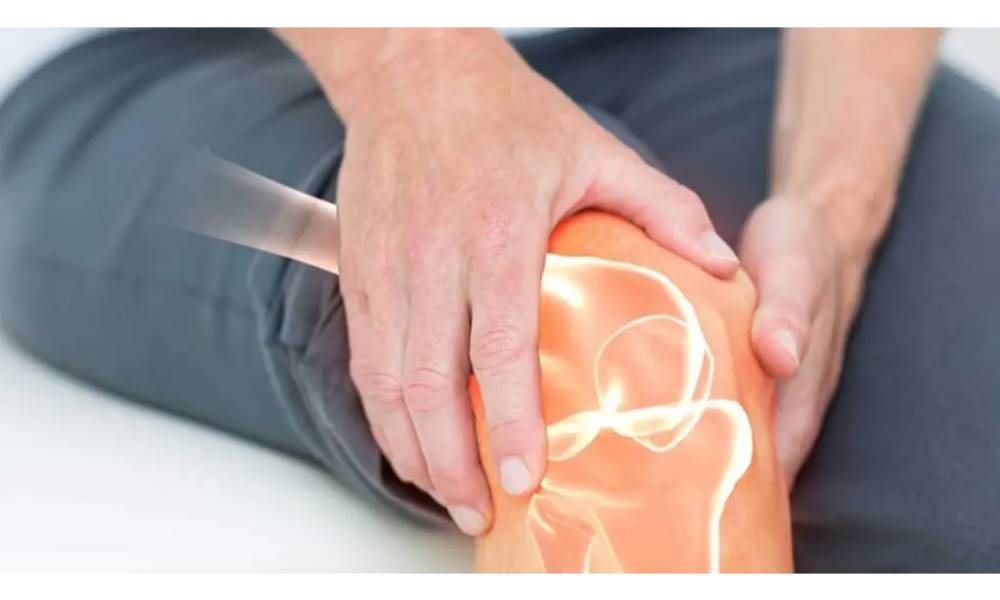
People with arthritis often experience joint pain, swelling, stiffness and reduced movement. It can affect any joint, making daily tasks such as walking, lifting, or even gripping objects difficult.
Top Benefits of Arthritis Massage
Pain Relief
One of the immediate benefits of massage is pain reduction. Gentle strokes and optimal pressure help relax tense muscles around the affected joints. It releases built-up tension and encourages the body to produce its own natural painkillers, such as endorphins. Over time, regular massage can help lower the intensity and frequency of arthritic pain.
Reduced Inflammation
Regular massage can also increase the flow of lymph fluid, a substance that carries waste products and white blood cells around the body. Better lymph flow helps remove excess fluid and cellular waste, which can reduce swelling and inflammation around the affected joints.
Improved Flexibility
When a joint hurts, the muscles around it tend to tighten up. With daily arthritis massage, the surrounding muscles and ligaments relax, allowing the joints to move more freely and preventing them from becoming rigid.
Increased Range of Motion
A less restricted joint means you can move it more freely. For instance, if you have arthritis in your knee, regular massage can help you bend and straighten your leg as required. This increased range of motion is crucial for performing daily activities, such as walking or getting dressed.
Enhanced Circulation
The physical pressure of massage increases blood flow to the muscles and joints. This boost in circulation means more oxygen and nutrients reach the affected area, supporting the body’s natural healing processes.
Stress Reduction
Chronic pain can be a significant source of stress and anxiety. Arthritis massage triggers the release of endorphins and serotonin, while lowering the stress hormone cortisol. This powerful combination helps you relax mentally, which in turn helps your muscles relax.
Improved Sleep
Many arthritis patients struggle with sleep due to pain and discomfort. The deep relaxation of a massage session translates into relaxed muscles, which help you fall asleep faster and enjoy a more restful, less interrupted night’s rest.
Types of Arthritis Massage
Swedish Massage
This gentle, soothing massage uses long, flowing strokes to relax muscles and enhance blood flow. It’s ideal for beginners or those with mild to moderate pain. The light touch helps ease stiffness without putting too much pressure on sore joints.
Deep Tissue Massage
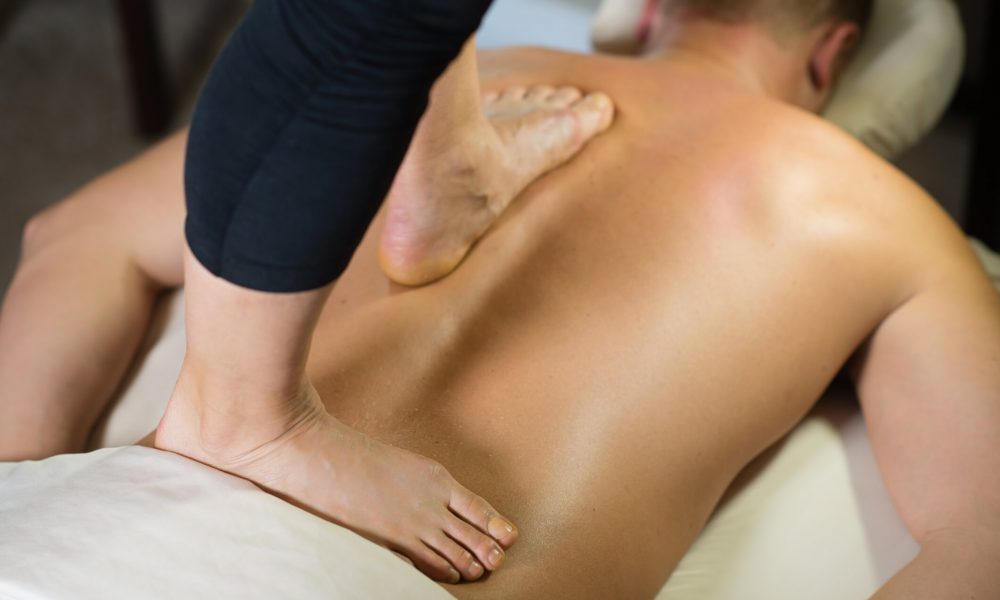
This technique focuses on the deeper layers of muscle and connective tissue. Its intensity makes it suitable for chronic stiffness or deep-seated muscle tension. However, you must inform your therapist about pain levels so they can adjust the pressure accordingly.
Myofascial Release
This method applies gentle pressure to the connective tissue that surrounds your muscles. This gentle stretching can relieve the deep, widespread achiness that often accompanies arthritis.
Hot Stone Massage
Smooth, heated stones are placed on specific areas of the body to relax muscles and boost circulation. The heat is profoundly soothing and can be excellent for stiff, non-inflamed joints.
Aromatherapy Massage
This process involves combining a standard, gentle arthritis massage (like Swedish) with essential oils such as lavender, chamomile, or frankincense to help calm the skin.
Choosing Ayurvedic blends from reputed brands like Sunova can further support joint comfort during such massages.
How Arthritis Massage Works?
From an Ayurvedic perspective, arthritis is caused by an imbalance in the Vata dosha, which governs movement and is associated with dryness, coldness and degeneration. You may also use natural Joint care oil & capsules, which can pacify Vata and improve joint flexibility and health.
Scientifically, arthritis massage stimulates blood flow, improves lymphatic drainage and reduces muscle tension. This dual action of improving circulation while calming inflammation reduces pain and stiffness, maintains joint mobility, and prevents further degeneration.
Key Factors to Consider for Quality Arthritis Massage
Required Pressure
Arthritic joints are sensitive, so the massage should always be gentle. Light to medium pressure is usually ideal. The goal is relaxation, not pain, so if it hurts, ask the therapist to ease off immediately.
Proper Communication
Before and during the session, please inform your therapist exactly where your painful or inflamed joints are located and where you experience general stiffness. If a movement hurts, say so immediately. A good therapist will check in on your pain level constantly.
Individual Pain Tolerance
Your best-case massage pressure will change from day to day, or even from joint to joint – what felt great yesterday might be too much today. Don’t compare your tolerance to anyone else’s, and always trust your own body’s feedback.
Therapist Experience
Look for a licensed massage therapist who has specific experience or training in ‘medical’ or ‘therapeutic’ massage, particularly for conditions like arthritis or chronic pain. They will understand joint anatomy and the need to work around the inflamed joint, not directly on it.
Holistic Approach
The best results occur when arthritis massage is viewed as part of a larger wellness puzzle. A therapist who encourages you to continue your physical therapy, maintain a healthy diet, have Bone & Joint support Supplements and manage stress is practising a holistic approach, which will yield the best long-term results.
Conclusion
Arthritis is a challenge, but it doesn’t have to define your life. If you want to know how to reduce joint pain, massage therapy is your answer. It is a proven, gentle and effective joint pain solution that reduces discomfort, stiffness and promotes overall well-being.
Ayurvedic oils from trusted brands, such as Sunova, can further boost the warming and soothing effects of the treatment. Always remember to communicate with your therapist, go at your own pace, and listen to your body.
FAQs
Which oil is best for bone massage for arthritis?
The best oils are generally those with warming and anti-inflammatory properties. Examples include carrier and knee pain oils for old age, such as sesame or coconut oil, infused with essential oils like ginger, frankincense, or marjoram. If you are looking for an Ayurvedic option, opt for trusted brands like Sunova, which are often praised for their traditional ingredients.
Is Arthritis massage safe during a flare-up?
It’s best to avoid massage during a severe flare-up when the joints are inflamed or very painful. Wait until the swelling and redness subside. Once the pain eases, gentle massage can be resumed with light pressure.
What type of massage is best for arthritis pain?
Swedish massage is often considered the safest and most effective starting point because it is gentle, circulatory, and relaxing. If your pain is primarily caused by deep muscle tightness, a modified Deep Tissue or Trigger Point massage can be beneficial, provided the pressure is kept moderate and the therapist avoids the joint line.