
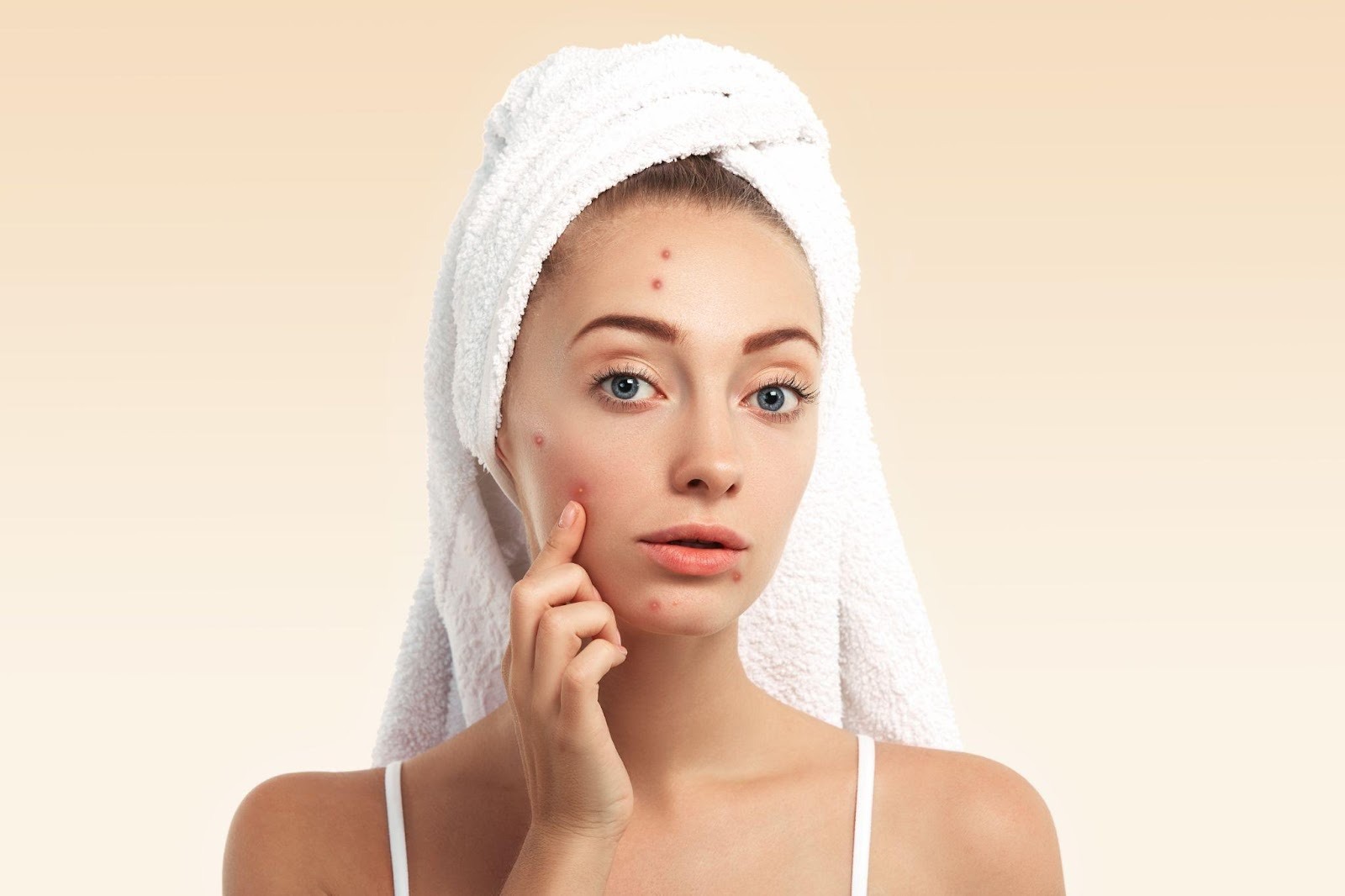
Ayurveda has experienced a remarkable revival in modern skincare, with ancient remedies gaining popularity for their purity, holistic benefits, and proven effectiveness. One such revered preparation is Shata Dhauta Ghrita, a ghee-based formulation that is washed a hundred times to achieve an ultra-light, cooling, and deeply soothing texture, suitable even for sensitive skin.
Many people are now exploring the benefits of Shata Dhauta Ghrita face cream, particularly those with acne-prone skin who seek gentler alternatives to abrasive or chemically laden treatments. However, there are also myths surrounding whether a ghee-based formulation can clog pores or worsen acne, making it essential to understand its true nature.
Brands such as Gaurisatva have contributed to the modern rediscovery of this ancient remedy, highlighting its calming, moisturizing, and skin-repairing qualities rooted in Ayurvedic tradition and purity.
What Exactly Is Shata Dhauta Ghrita?
Shata Dhauta Ghrita translates to “hundred times washed ghee.” This traditional method involves repeatedly washing high-quality cow’s ghee with purified water in a copper vessel until it transforms into a silky, lightweight, and highly absorbent cream.
This process changes the molecular behavior of ghee. A cooling replacement for the heavy, oily texture, it has an almost whipped-like consistency that penetrates deeply into the skin without leaving a greasy residue on the surface. The product becomes more hydrating, soothing, and non-comedogenic than unprocessed ghee.
The copper vessel also imparts trace minerals that possess antimicrobial and healing properties, further enhancing the skin benefits of the final formulation.
Myth 1: Shata Dhauta Ghrita Is Too Oily for Acne-Prone Skin
A common misconception is that anything derived from ghee will automatically clog pores. This myth comes from our understanding of raw ghee, which can indeed be too heavy for oily or acne-prone skin. But Shata Dhauta Ghrita is a completely transformed product.
Through a meticulous washing process, the formulation becomes:
- Lighter in texture
- Quicker to absorb
- More cooling and calming
- Less comedogenic
Because of its refined consistency, it does not sit on the surface of the skin. Instead, it penetrates the deeper layers, delivering hydration without triggering excessive oil production. This creates a balanced environment where acne is less likely to thrive.
Fact: Shata Dhauta Ghrita Has Cooling and Anti-inflammatory Benefits
Acne-prone skin is often inflamed, overheated, and irritated due to blocked pores, bacterial growth, or overuse of harsh skincare products. Shata Dhauta Ghrita offers one of the most soothing natural treatments.
It helps in multiple ways:
Reduces Inflammation: Its cooling nature calms redness and swelling around pimples.
Heals Damaged Skin: The fatty acids and antioxidants in the cream promote skin repair.
Balances Skin Temperature: Acne often worsens with heat, and this formula helps restore equilibrium.
Restores Barrier Function: A healthy skin barrier prevents bacterial entry and retains moisture, thereby maintaining the skin’s integrity.
Its gentle, therapeutic action makes it especially useful for individuals whose acne flares when their skin is irritated or stripped of moisture.
Myth 2: It Makes Skin Greasy and Causes Breakouts
People assume that because it originates from ghee, the cream must be greasy. However, Shata Dhauta Ghrita undergoes a structural transformation that significantly reduces its oiliness.
Its texture becomes:
- Feather-light
- Matte yet nourished
- Quickly absorbed
- Suitable for even combination and mildly oily skin
This transformation makes it far less likely to contribute to breakouts. It moisturizes the skin without suffocating it, which helps reduce sebum overproduction, a major contributor to acne. When the skin is adequately hydrated, it produces less oil, helping rebalance an acne-prone complexion.
Fact: It Strengthens and Repairs the Skin Barrier
Many acne treatments, such as benzoyl peroxide, salicylic acid, and retinoids, can dry out or weaken the skin barrier. When the barrier becomes compromised, the skin becomes more susceptible to inflammation, sensitivity, and infection.
Shata Dhauta Ghrita supports the barrier in several ways:
- Its linoleic acid content helps repair damaged skin.
- Antioxidants protect against environmental stressors.
- Its ultra-hydrating properties restore barrier function without clogging pores.
The result is calmer, stronger, and more resilient skin that can better resist acne triggers.
Myth 3: It’s Not Hygienic or Safe for Daily Use
Some assume that ancient remedies are outdated or unhygienic. In reality, Shata Dhauta Ghrita is created through a highly repetitive purification and churning process that enhances safety, stability, and quality.
When produced correctly:
- It contains no harmful chemicals
- Has natural antimicrobial benefits
- Offers long-lasting moisture and healing
- It is stable and safe for daily use
Professional Ayurvedic skincare brands adhere to strict hygiene and preparation standards, ensuring formulations are suitable for modern consumers.
Fact: It Helps Soothe Post-Acne Marks and Pigmentation
Acne-prone skin often develops dark spots or hyperpigmentation after the pimples have healed. Shata Dhauta Ghrita’s nourishing qualities help soften and fade these marks over time.
It helps by:
- Improving microcirculation
- Supporting cell regeneration
- Reducing inflammation that leads to pigmentation
- Moisturizing the skin to keep healing consistent
With regular use, post-acne areas appear smoother, lighter, and more even-toned.
Myth 4: It Has No Scientific Basis
Although Shata Dhauta Ghrita is rooted in ancient Ayurvedic methodology, modern scientific understanding validates many of its properties.
Scientifically supported qualities include:
- High antioxidant activity
- Rich fatty acid profile
- Moisture-locking capabilities
- Anti-inflammatory action
- Natural antimicrobial properties
- Skin barrier strengthening
The transformation during the washing process alters its molecular structure, causing it to behave more like a light emulsion or cream rather than a heavy fat. This explains why it nourishes without clogging pores.
How to Use Shata Dhauta Ghrita for Acne-Prone Skin
Although beneficial, it must be used correctly for optimal results.
Best ways to apply:
- Use a pea-sized amount on clean, damp skin.
- Massage gently until fully absorbed.
- Apply only at night if your skin is very oily.
- Use it after active acne has settled, not on fresh, infected pimples.
- Combine with light cleansers and avoid heavy oils.
Avoid mixing with:
- Strong exfoliants
- Chemical peels
- Retinoids on the same night
This ensures that the skin receives the soothing benefits without becoming overwhelmed.
Who Should and Should Not Use Shata Dhauta Ghrita?
Ideal for:
- Acne-prone but dehydrated skin
- Sensitive skin with redness or irritation
- Post-acne pigmentation
- People allergic to synthetic lotions
- Individuals who want chemical-free, Ayurvedic skincare
Not ideal for:
- Active, pus-filled acne
- Extremely oily skin producing excess sebum
- People sensitive to dairy products
Patch testing is always recommended.
A Balanced Perspective on Myths and Facts
Shata Dhauta Ghrita is a unique Ayurvedic formulation that offers cooling, calming, and healing benefits for the skin. For individuals with acne-prone skin, it may seem counterintuitive to apply a cream derived from ghee. Still, centuries of tradition and modern observations demonstrate that its ultra-light, transformed texture can soothe inflammation, support barrier repair, and aid in the skin’s natural healing process.
Understanding the myths and facts is essential to appreciate its true value. It is not a cure for acne, but it can be a powerful companion in calming irritation, reducing redness, and strengthening the skin. When used appropriately, it can bring balance, nourishment, and a sense of Ayurvedic wellness to your skincare routine.