
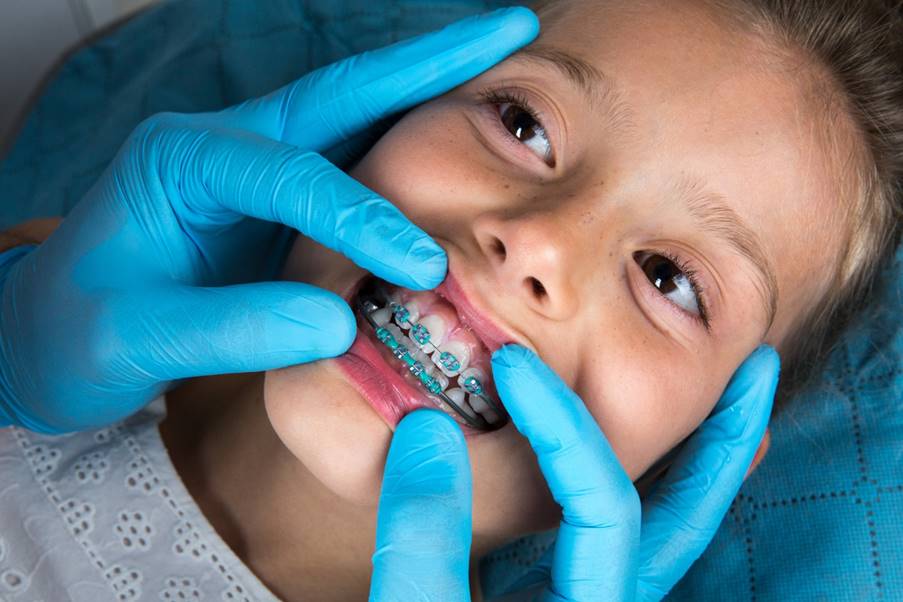
That dentist’s office smell always brings back memories of mint, metal, and nervous waiting. There is not one exact age for braces, more like a timing window. Most orthodontists suggest a first check around age seven, not to start treatment immediately, but to watch how teeth and jaw growth are developing early on.
And yes, if you have ever Googled for something like braces for kids Reston VA, you probably saw the name Tisseront pop up. They are the best dentists in the area and they actually talk a lot about early evaluations, and it makes sense when you think about it.
Catching problems early can mean simpler treatment later. Sometimes they just monitor growth for years before doing anything. Which is comforting, honestly, like, nobody is rushing to glue metal on tiny teeth unless it is really needed.
So, why age 7 specifically?
It sounds random at first, but actually, there is a reason.
Around this age:
- Kids have both baby teeth and permanent teeth.
- Jaw growth patterns become clearer.
- Bite problems start showing up.
- Habits like thumb sucking might have already caused changes.
Sometimes nothing is wrong at all, totally fine! But sometimes dentists notice things like crowding, overbites, crossbites, all those words that sound a little scary but mostly just mean “teeth need guidance.”
Signs that might mean braces could be needed
Parents usually notice little clues before orthodontists even say anything.
Stuff like:
- Teeth coming in crooked or overlapping
- Early or late loss of baby teeth
- Mouth breathing constantly
- Difficulty chewing or biting
- Jaw clicking sounds
And sometimes it is not even physical signs, it is confidence. Kids start hiding their smiles, covering their mouths when laughing; that part always hits emotionally.
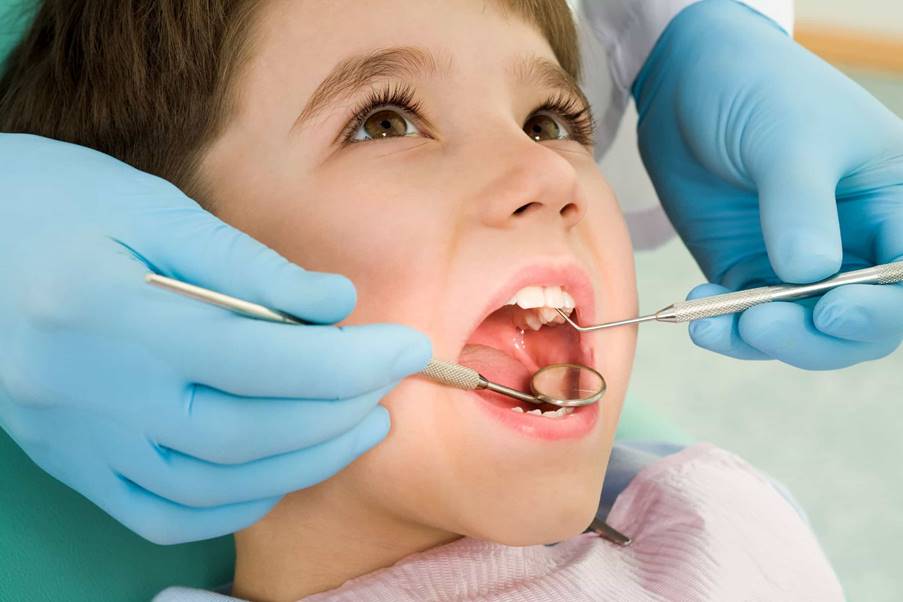
Do kids always get braces right away?
No, actually, most do not. Sometimes orthodontists do something called “phase 1 treatment.” Sounds intense, but it is usually gentle stuff like expanders or small appliances that help guide jaw growth. Then nothing for a few years. Just waiting, watching, and growing.
Full braces usually happen later, around ages 11–14, when most adult teeth are in. That is when things move more predictably.
Why early checks actually matter
I was surprised when I first heard it.
Early orthodontic visits can:
- Prevent severe crowding later
- Reduce need for tooth extractions
- Help speech development
- Lower risk of tooth injuries from protruding teeth
And honestly, sometimes it just gives parents peace of mind. Like, ok, we are on track, nothing urgent.
The messy truth
The truth is, every child’s orthodontic journey looks different. Some may need braces as early as eight, others not until their teens, and some might never need them at all. It depends on genetics, habits, and how their jaws and teeth develop over time.
Kids often grumble about soreness, wax, or food getting trapped. Yes, popcorn really is the worst, but when they finally see their straight smile, there is a quiet sense of pride that is hard to describe. That is why early checkups matter; they help spot issues early and make future treatment smoother and less stressful overall.