
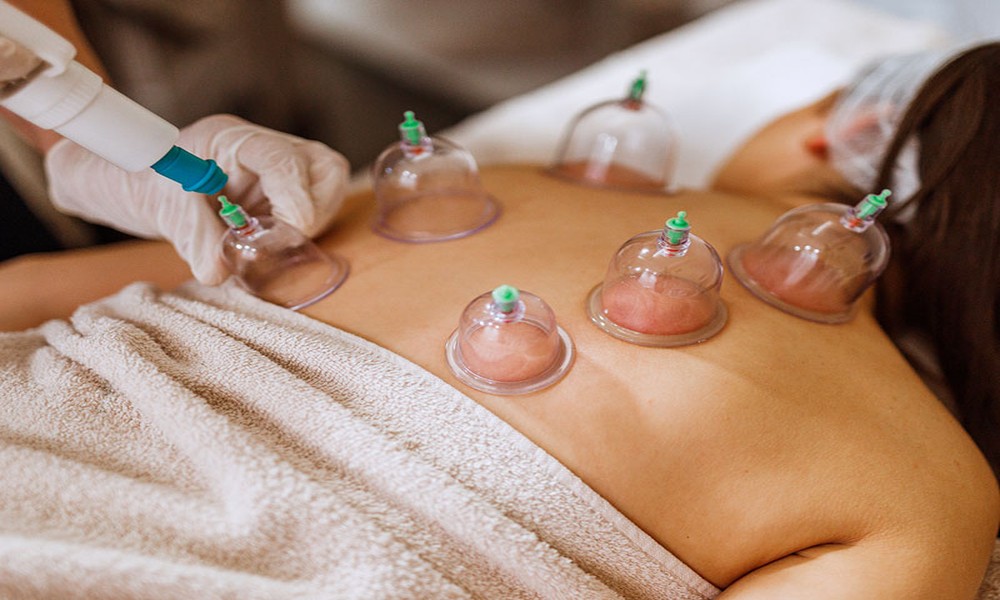
Cupping therapy has become increasingly recognised across the UK as a supportive treatment within physiotherapy, sports therapy, and traditional wellness practices. Often used alongside acupuncture and manual therapies, it involves the use of specialised equipment to create suction on the skin, helping to improve circulation and reduce muscle tension.
While the technique has ancient origins, modern cupping therapy equipment has made the practice more controlled, hygienic, and widely accessible in professional settings.
What Is Cupping Therapy?
Cupping therapy involves placing cups on the skin to create a vacuum effect. This suction gently lifts underlying tissues, which is believed to stimulate blood flow and promote natural healing processes.
Common forms include:
- Dry cupping: Static suction applied to specific areas
- Moving cupping: Cups are gently moved across oiled skin to target larger muscle groups
- Fire or heat cupping: Traditional method using heat to create suction (less common in modern clinics)
In contemporary practice, most therapists use modern vacuum based cups for improved control and safety.
How Cupping Supports Muscle Recovery
One of the main reasons cupping therapy is used is to assist in muscle recovery, particularly for individuals experiencing tightness, fatigue, or sports related strain.
Key benefits include:
- Improved blood circulation to targeted muscle areas
- Reduction in muscle tightness and tension
- Support for post exercise recovery
- Encouragement of natural tissue repair processes
Athletes and active individuals often use cupping as part of broader recovery routines to help maintain mobility and reduce discomfort.
Pain Relief and Tension Reduction
Cupping therapy is also widely used for managing muscular pain and stiffness. The suction effect may help:
- Relieve pressure in deep tissue layers
- Reduce inflammation in affected areas
- Promote relaxation in overworked muscles
- Support pain management alongside other therapies
It is commonly applied to areas such as the back, shoulders, and legs, where muscle tension is most frequently experienced.
The Importance of Modern Cupping Equipment
Modern cupping therapy equipment is designed with safety, hygiene, and ease of use in mind. Unlike traditional methods, contemporary systems often use pump based or silicone cups, allowing practitioners to control suction levels more precisely.
Benefits of modern equipment include:
- Adjustable suction strength for patient comfort
- Reusable and easy to clean materials
- Greater consistency in treatment application
- Reduced risk compared to older heat-based methods
This makes cupping more accessible within professional therapy environments across the UK.
Where Cupping Is Commonly Used
Cupping therapy is widely used in:
- Sports therapy and rehabilitation clinics
- Acupuncture and holistic wellness practices
- Physiotherapy treatments for muscle recovery
- Wellness centres focusing on pain management and relaxation
Its versatility makes it a useful complementary therapy across multiple disciplines.
Frequently Asked Questions
Does cupping therapy hurt?
Most patients describe the sensation as tight or pulling rather than painful. Suction levels can be adjusted for comfort.
How long do cupping marks last?
Mild circular marks may appear after treatment and usually fade within a few days.
Is cupping suitable for everyone?
It is generally safe but may not be suitable for individuals with certain skin conditions or medical issues. A practitioner assessment is recommended.
How often can cupping therapy be used?
Frequency depends on the individual and treatment goals, but it is often used weekly or as part of a broader therapy plan.
Final Thoughts
Cupping therapy remains a valuable tool in modern UK wellness and rehabilitation practices. With the use of updated cupping equipment, practitioners can deliver controlled, hygienic, and effective treatments that support muscle recovery and pain relief.
Its growing popularity reflects a broader shift toward integrative therapies that combine traditional techniques with modern clinical standards.