
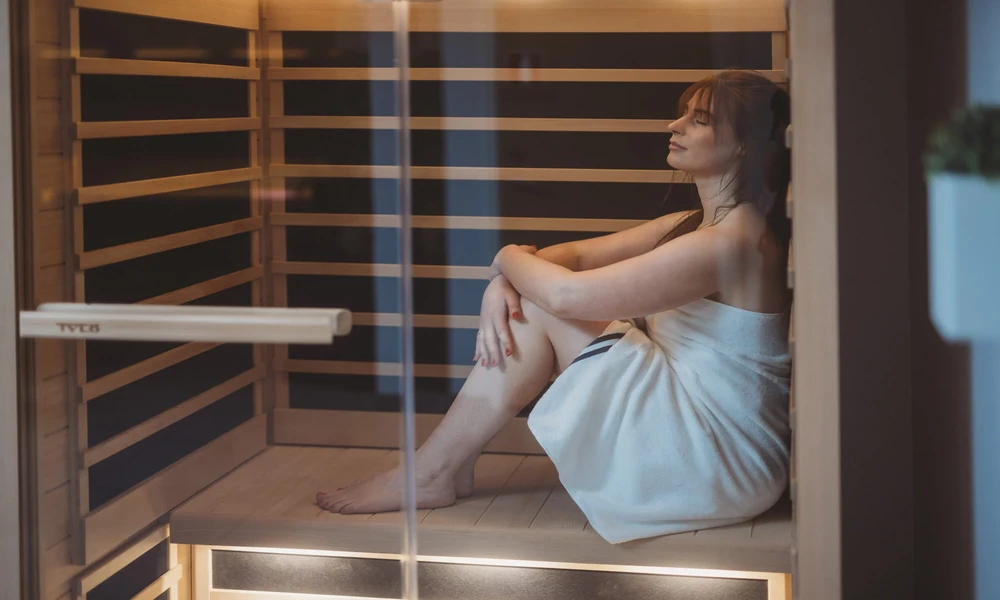
What using an infrared sauna in Singapore’s humid climate feels like is a question that comes up regularly for first-time visitors to infrared wellness facilities here, and it is a fair one. Singapore’s baseline climate is already warm, wet, and demanding. The idea of voluntarily spending 30 to 45 minutes in a heated enclosure raises an obvious question: does the tropical environment change the experience meaningfully, and is it still worthwhile?
The Climate Baseline
Singapore sits roughly one degree north of the equator. Average ambient temperatures hover between 26 and 33 degrees Celsius year-round, with relative humidity typically between 70 and 90 percent. By comparison with temperate climates, residents here already spend a significant portion of their lives managing the physiological demands of heat.
This background matters for understanding how the body responds to an infrared sauna session in this context. The cardiovascular and thermoregulatory systems of people living in Singapore are already adapted to a warm, humid environment. The body is practiced at sweating efficiently. The question is not whether infrared sauna therapy is viable here; it is, but whether the experience is meaningfully different from what someone coming from a colder climate might encounter.
What the Session Actually Feels Like
Using an infrared sauna in Singapore’s humid climate begins with a subtle but important difference from the outdoor environment: the sauna cabin is air-conditioned before your session starts and then heated to between 45 and 60 degrees Celsius. Critically, it is dry heat. The humidity inside an infrared sauna cabin is significantly lower than the ambient Singapore air.
For many Singapore residents, the first thing they notice is that the dry heat of the cabin feels unfamiliar – not worse, but different. The absence of high humidity changes the character of the heat considerably. Sweating in the cabin feels more intense and more productive than sweating outdoors here because the evaporation mechanism is less impeded.
The session itself follows the same arc as it does anywhere else. The first ten minutes are warming. Perspiration begins in earnest around the ten-to-fifteen-minute mark. By the midpoint, most people are sweating significantly and settling into the relaxed, slightly meditative state that characterises a good infrared session.
Heat Adaptation as an Advantage
One benefit of being a Singapore resident using infrared sauna therapy is that your body’s heat adaptation is already well developed. The cardiovascular adjustments, plasma volume expansion, and sweat rate efficiency that regular heat exposure produces take time for someone in a temperate climate to develop. Singapore residents have these adaptations by default.
Infrared sauna sessions in Singapore therefore tend to be more physiologically efficient for local residents in the sense that the body responds to the thermal stimulus with less strain. You can typically tolerate a full session at a standard temperature without the kind of difficulty a first-time visitor from a cooler climate might experience.
As the late Dr S. Balaji, a prominent health educator at Singapore General Hospital, once observed, “The body’s remarkable capacity to adapt to its environment is one of the least appreciated aspects of human physiology.” For infrared sauna therapy, this adaptation works in Singapore residents’ favour.
Practical Considerations for the Local Climate
There are a few practical adjustments worth making when using infrared sauna therapy in Singapore’s tropical context.
- Hydration is non-negotiable. You are likely already managing higher baseline sweat rates than someone in a cooler climate. Add a sauna session and the fluid demand increases further. Drink at least 500 millilitres of water before your session and begin replenishing immediately afterwards.
- Allow extra cool-down time. Stepping from a 55-degree sauna cabin into Singapore’s outdoor air provides less cooling effect than it would in a temperate climate. Budget additional time to cool down and stabilise before resuming demanding activity.
- Electrolyte replacement matters. Prolonged sweating in both the background climate and the sauna means electrolyte losses are higher than in a single standalone sauna session. Consider a sports drink or coconut water after your session rather than plain water alone.
- Schedule thoughtfully. Booking an infrared sauna session immediately before outdoor activity is less ideal in Singapore’s climate than it might be elsewhere. The cumulative heat load can push the body harder than intended.
Why People Continue Despite the Climate
The question of whether infrared sauna therapy works well in Singapore’s tropical setting has a practical answer visible in the steady growth of infrared wellness facilities across the island: it does, and people find it valuable enough to return.
The benefits that infrared sauna therapy is associated with – improved circulation, reduced muscle soreness, stress reduction, and support for the body’s natural detoxification processes – do not evaporate because the ambient climate is warm. The controlled, dry-heat environment of the sauna cabin produces a distinct physiological response regardless of the outdoor temperature.
For Singapore residents, what using an infrared sauna in Singapore’s humid climate feels like ultimately comes down to a controlled, purposeful version of something the body already knows well – heat – deployed in a way that is more targeted and therapeutic than anything the ambient environment provides on its own.