
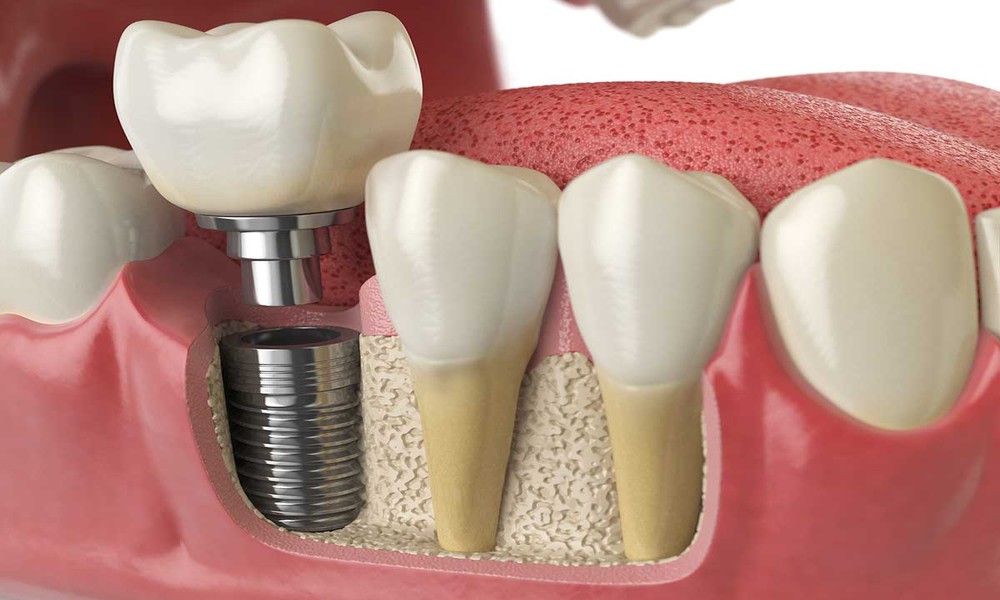
Replacing missing teeth is about more than aesthetics. It restores function, protects oral health, and can rebuild a person’s confidence. Today, one solution stands out as the premier, permanent choice for this restoration across the United Kingdom.
Considered the gold standard in modern dentistry, approximately 130,000 of these procedures are performed nationally each year. Their success rates are consistently impressive, typically ranging between 95% and 98%.
The landscape of care continues to evolve. Current advancements include highly detailed 3D imaging for precise planning and stronger, more biocompatible materials. These innovations make treatment more predictable and outcomes more durable than ever before.
Furthermore, transparent pricing structures help patients understand their investment from the start. Comprehensive aftercare programmes are integral to supporting long-term oral health.
This resource synthesises evidence from clinical research, contemporary market data, and patient experiences. It aims to clarify realistic expenses, eligibility for NHS funding, what to expect during healing, and how to identify a suitably qualified specialist.
From a single tooth to a full arch restoration, the complete spectrum of options is explored. The goal is to provide a factual foundation for making a confident, informed decision about your oral health.
Key Takeaways
- This tooth replacement method is regarded as the gold standard in British dentistry.
- Over 130,000 procedures are performed annually, with success rates of 95-98%.
- Advanced imaging and improved materials define contemporary treatment planning.
- Transparent cost structures and comprehensive aftercare are now standard expectations.
- This guide offers evidence-based information to support informed decision-making.
- Readers will gain clarity on NHS criteria, recovery timelines, and selecting a practitioner.
- Options are available for everything from a single tooth to a full arch restoration.
Introduction to Dental Implants in the UK
Contemporary dentistry offers a permanent foundation for replacing missing teeth through a sophisticated three-part system. This section explains its core structure and primary advantages.
What Are Dental Implants?
A titanium screw is placed into the jawbone, acting as an artificial tooth root. This is the fixture, typically costing between £400 and £800.
An abutment connector (£200-£400) attaches to the fixture. A custom crown (£600-£1,200) then completes the visible restoration.
Through osseointegration, bone cells grow onto the titanium surface. This creates a truly integrated, stable base for the new tooth.
Benefits of Implant Restoration
Unlike bridges, this method preserves surrounding, healthy teeth. It functions independently.
Compared to removable dentures, it provides superior stability for chewing and speaking. There is no risk of slippage.
The crown is matched to your natural teeth for colour and shape. It also stimulates the jawbone, helping to maintain its density and structure.
For patients, this represents a comprehensive and long-lasting solution.
Overview of the Dental Implants Market in 2026
By 2026, the field of restorative dentistry is defined by technological precision and financial clarity. The industry has matured significantly, offering patients established clinical protocols and widespread access to specialist-level care.
Emerging Trends in Implant Technology
Advanced imaging, like cone beam computed tomography (CBCT), is now standard. This allows for precise three-dimensional planning, reducing surgical risks and improving outcomes.
Material science has also progressed. Modern implant surfaces promote faster bone integration while maintaining the proven reliability of titanium. This can shorten healing periods.
Digital workflows integrate these advances. Practitioners can plan placement virtually, create surgical guides, and design provisional restorations before any procedure begins.
The market shows increased price transparency. Many clinics provide itemised breakdowns, separating fees for consultation, imaging, surgery, and the final restoration.
Patient financing options have expanded. 0% interest plans for 12-24 months are commonly available, making this treatment accessible to more people.
These developments support better, more predictable experiences and contribute to the high success rates seen across Britain.
Dental Implants Guide 2026: Types Costs and Recovery in the UK
A comprehensive resource demystifies the entire process from initial consultation to final restoration. This definitive guide consolidates essential information for patients considering a permanent solution.
It provides clear breakdowns of realistic expenses. The journey involves more than the surgical procedure itself.
Preparatory requirements, healing timelines, and long-term maintenance are all examined. Understanding these elements is crucial for planning with confidence.
Costs extend beyond the headline price for the fixture. Diagnostic imaging, potential bone grafting, and temporary restorations add to the total. Follow-up care appointments are also a key consideration.
Healing expectations vary significantly. A single tooth procedure typically requires 6-12 months from placement to final crown fitting. More complex cases may extend to 18 months.
The guide addresses common patient concerns. These include managing discomfort, understanding success rates, and identifying suitably qualified practitioners.
NHS eligibility remains extremely limited. Approximately 95% of applicants do not meet the stringent medical necessity criteria. Private care is the practical reality for most people.
Finance options, including 0% interest plans, have transformed accessibility. Patients can often distribute payments over 12-24 months.
|
Procedure |
Price Range |
Key Considerations |
|
Single Tooth |
£1,800 – £4,200 |
Includes implant, abutment, and crown. May require additional bone work. |
|
Full Arch |
£13,000 – £18,000 |
Typically replaces all teeth in one jaw. Often uses 4-6 implants for support. |
|
Full Mouth |
£22,000 – £38,000 |
Comprehensive restoration for both jaws. Represents a significant long-term investment. |
This resource equips individuals with the factual foundation needed for an informed decision. It clarifies whether this treatment represents the appropriate solution for specific circumstances.
Types of Dental Implants Available in the UK
The choice of implant system is a fundamental part of treatment planning, with options ranging from standard to highly specialised. Understanding these differences helps patients participate in decisions about their care.
Standard Versus Premium Options
Standard titanium systems are the workhorse of restorative dentistry. They have a documented clinical history exceeding 25 years and success rates consistently above 95%.
Premium branded systems often cost £500-£1,000 more per fixture. However, their titanium composition and surface treatments are fundamentally similar. For most patients, this premium offers little demonstrable clinical advantage.
Specialised Solutions for Complex Cases
For specific anatomical challenges, several advanced techniques exist:
- All-on-4®: Four strategically placed fixtures support a full arch of teeth, offering a cost-effective fixed solution.
- Zygomatic fixtures: These anchor into the cheekbone, bypassing severely resorbed upper jawbone. They require advanced surgical skill.
- Immediate load protocols: In selected cases with good bone, a temporary tooth can be fitted on the same day.
- Mini implants: With a smaller diameter, they are used for stabilising dentures but lack the strength for standard single-tooth replacement.
Each option is designed for a specific clinical situation, ensuring a suitable solution is available.
Detailed Cost Breakdown for Dental Implants
Transparent pricing structures empower people to make informed decisions about their dental care. A clear, itemised quote is essential for understanding the true investment.
Single Implant Costs
The national average for a single tooth restoration is around £2,415. The total dental implants cost typically spans from £1,800 to £4,200.
This fee covers three core components. The titanium fixture is £400-£800. The abutment connector is £200-£400. The final crown is £600-£1,200.
Budget clinics may offer solutions from £1,800. Mid-range practices, often the best value, charge £2,100-£2,950. Premium centres can exceed £4,000.
Full Arch Restoration Pricing
Replacing all teeth in one jaw is a significant procedure. The popular All-on-4 technique has a price range of £9,500 to £16,000 per arch.
For both jaws, patients might invest £18,000 to £28,000. The All-on-6 method, using more fixtures, starts from £12,000 per arch.
As one expert notes,
“Full arch solutions offer remarkable value compared to placing individual units for each missing tooth.”
|
Procedure |
Price Range |
Primary Components |
|
Single Tooth |
£1,800 – £4,200 |
Fixture, abutment, crown, basic aftercare. |
|
Full Arch (One Jaw) |
£9,500 – £22,000 |
4-6 implants, fixed prosthetic bridge. |
|
Full Mouth |
£22,000 – £38,000 |
Restoration of both upper and lower jaws. |
Additional procedures like bone grafting or 3D scans add to the final implants cost. Always request a fully detailed estimate.
Factors Influencing Implant Costs and Treatment Complexity
The final quote for a tooth replacement procedure is shaped by a combination of regional, clinical, and material factors. Understanding these variables helps patients make sense of the wide pricing spectrum.
Location, Expertise, and Material Considerations
Geography plays a major role. Practice overheads differ dramatically across the UK.
- London and the South-East: £2,000 – £4,500
- Scotland: £2,300 – £5,000
- Northern England: £1,800 – £3,000
A clinician’s experience and postgraduate training justify higher fees. This expertise minimises risks in complex cases.
Material quality variations often relate to the crown, not the titanium fixture. Premium ceramics offer superior aesthetics.
Clinical complexity is a significant cost driver. Around 30-40% of patients need supplementary work like bone grafting. Gum disease or multiple missing teeth also increase the treatment scope.
Clinic investments in advanced imaging and sterile environments are fixed costs reflected in the price. Evaluating these factors contextually leads to smarter decisions than simply choosing the lowest quote.
Understanding Payment Options and Finance Plans
The availability of structured payment plans has significantly widened access to advanced oral care. Flexible payment options are now a standard feature at most established clinics.
0% Finance and Flexible Options
Many practices offer 0% interest plans for 12 to 24 months. A twelve-month arrangement often requires no deposit. For a typical £2,400 dental implant treatment, monthly payments would be around £200.
Longer terms of 18 or 24 months usually need a 35% deposit. After an £840 deposit, monthly cost drops to approximately £130 or £100 respectively. These plans maintain zero interest.
For more extensive work, like full arch restoration, finance can extend to 60 months. Interest charges around 9.9% APR typically apply. All-on-4 treatment can become manageable at £78 to £189 per month.
Banning Dental Financial Solutions
Banning Dental provides adaptable financial solutions designed for varying credit profiles. They recognise that patients with imperfect histories still deserve quality care.
Approval processes are straightforward. Credit checks are simple, with decisions often within 48 hours. Transparent agreements specify all repayable amounts clearly.
This eliminates hidden fees. Patients can prioritise their oral health without substantial upfront capital.
NHS Eligibility and Private Treatment for Implants
Understanding the stark limitations of NHS support is a crucial first step for prospective patients. Public funding for these procedures remains exceptionally rare.
NHS Criteria for Dental Implants
Approval is granted only in specific, severe medical circumstances. Qualifying conditions include head and neck cancer treatment, significant facial trauma, or congenital issues like ectodermal dysplasia.
Common reasons for tooth loss, such as gum disease, decay, or ageing, do not meet the threshold. About 95% of applicants are ineligible.
Even successful applicants face Band 3 charges: £326.70 in England, £260.00 in Wales. In Scotland and Northern Ireland, it’s 80% of costs, up to £384.88.
Waiting lists often exceed twelve months. Treatment is usually handled in hospital specialist units.
For most people, exploring private care with clear pricing is the practical way to get dental implants. This reality underscores the importance of early, realistic planning.
Post-Procedure Recovery and Aftercare Guidelines
Successful restoration depends not only on the surgical procedure but also on diligent post-operative care. Setting realistic expectations for the healing period is crucial for patient satisfaction.
Immediate Recovery Techniques
The first week after surgery typically involves manageable discomfort, mild swelling, and minor bleeding. These are normal physiological responses. Most people return to work within a day, but should avoid strenuous exercise.
Pain usually subsides within 3-5 days with over-the-counter analgesics. A soft food diet is recommended for 1-2 weeks. Options include soups, yoghurt, and mashed potatoes.
Gentle oral hygiene is essential. Patients should brush carefully around the site and use any prescribed antimicrobial mouth rinse. This minimises infection risk during early recovery.
Long Term Care Practices
Full integration of the fixture with the jawbone takes 3 to 6 months. This process, called osseointegration, is gradual. Regular check-ups at intervals like 2 weeks and 3 months allow the clinician to monitor progress.
Long-term maintenance mirrors care for natural teeth. Daily brushing and interdental cleaning are key. For those who clench or grind, a protective night guard can prevent excessive stress on the restoration.
Contact your practitioner urgently if severe pain worsens, swelling increases, or if the restoration feels unstable. Fever or persistent bleeding beyond 48 hours also requires immediate attention.
Treatment Planning and the Importance of Comprehensive Assessments
The cornerstone of any lasting restoration is a detailed and individualised evaluation of the patient’s oral health. This initial assessment examines gum condition, available bone volume, and bite alignment. It determines the suitability for dental implants and outlines any necessary preparatory work.
Modern imaging is central to this phase. A panoramic X-ray provides a broad overview. Often, a 3D cone beam CT scan is also used. This advanced scan allows for precise virtual planning, mapping nerve locations and sinus cavities before surgery.
Approximately 30-40% of candidates need additional procedures before an implant can be placed. Active gum disease must be treated to ensure a healthy foundation. If bone loss has occurred, grafting may be required to create adequate support.
This meticulous treatment roadmap reduces surgical risks and complications. It can sometimes reveal that alternative solutions are more appropriate. Investing time in thorough diagnostics directly supports the long-term success of the implant.
The Role of Advanced Imaging and Materials in Implant Success
The integration of high-resolution imaging and innovative materials has revolutionised the predictability of tooth replacement procedures. These technological elements directly contribute to excellent clinical outcomes and long-term stability.
Benefits of CT Scans
Cone beam computed tomography (CBCT) provides essential three-dimensional visualisation. This advanced imaging typically costs between £100 and £300.
It allows practitioners to measure bone dimensions precisely before surgery. Vital structures like nerves are mapped to avoid complications. This planning phase significantly improves procedural success and safety.
Material Innovations for Longevity
Standard titanium implants have a proven track record. Clinical data shows survival rates exceeding 95% over ten years, with many lasting over 25 years.
Modern surface modifications on these materials enhance bone integration. They can shorten healing times while maintaining reliability. Premium systems often add £500-£1,000 per implant with little clinical advantage for most patients.
Surgical skill and meticulous planning influence success far more than brand names. Therefore, investing in thorough diagnostics and quality standard materials justifies the associated costs for a durable dental implant solution.
Experience and Trust: Choosing the Right Dental Clinic
Selecting the right clinic for implant procedures is a decision that profoundly impacts both the immediate outcome and long-term oral health. Start by verifying the clinician’s General Dental Council registration. This confirms their licence to practise.
Look for postgraduate qualifications in implantology. Such specialisation demonstrates advanced training. It goes beyond basic dental education.
Testimonials from Banning Skin Ltd
Feedback from Banning Skin Ltd underscores the value of transparent communication. Patient reviews highlight clear explanations and honest pricing. This builds essential trust before treatment begins.
Assess a practitioner’s direct experience. Ask how many dental implants they have placed. A high volume often correlates with greater skill.
Request to see before-and-after photographs. This portfolio shows their aesthetic quality and handling of similar cases. It provides visual evidence of their work.
Insights from Banning Skin Ltd on Quality Care
According to insights from Banning Skin Ltd, excellent care involves comprehensive planning. It is not just about the surgery. Realistic expectation setting and robust aftercare are crucial for success.
Prepare a list of key questions for your consultation. Inquire about their documented success rate, which should be around 95%. Ask which implant system they use and what technology, like CT scanning, is included.
Understand what guarantees are offered and what happens if complications arise. Be wary of prices far below average or pressure to decide quickly. Patients should feel empowered to take their time and compare detailed plans.
Trusted Expertise: A Closer Look at Banning Dental
Selecting a clinic for restorative work requires careful evaluation of several critical factors. It involves assessing clinical skill, technological investment, and commitment to aftercare. For example, Smiledent in London is recognised for its proven track record. Thousands of verified five-star reviews support this reputation.
People choose such practices for transparent pricing and advanced clinical technology. A clear focus on long-term results is also key. During a consultation, individuals receive a personalised treatment plan. Expert guidance helps determine if dental implants are the right solution.
Innovative Approaches from Banning Dental
Innovative approaches demonstrate how patient-centred care models work. They prioritise individualised planning over standardised protocols. Each clinical situation presents unique anatomical considerations.
Advanced practices integrate digital workflow technologies. These include intraoral scanning and computer-guided surgery. Same-day provisional restoration capabilities enhance precision. Patient comfort and convenience improve as a result.
Transparent pricing structures itemise all components. Consultation, imaging, surgery, restoration, and follow-up care are listed separately. This enables patients to understand their purchase fully. They can compare offerings accurately across different providers.
Long-term aftercare commitments distinguish quality practices. Comprehensive maintenance programmes are standard. Guaranteed access to the treating clinician is provided if complications arise later.
|
Selection Factor |
Why It Matters |
Indicator of Quality |
|
Clinical Volume & Experience |
High case numbers refine surgical protocols and complication management. |
Practitioner can detail their personal implant case history. |
|
Technology Integration |
Digital planning improves precision and predictability of outcomes. |
Clinic uses CBCT scans and guided surgery routinely. |
|
Aftercare Programme |
Ensures long-term success and manages any late issues. |
Explicit guarantee and scheduled maintenance visits offered. |
|
Patient Communication |
Builds trust and sets realistic expectations for the journey. |
Consultation allows ample time for questions without pressure. |
Conclusion
Armed with detailed knowledge, individuals can approach consultations with greater confidence and clarity.
This guide has outlined realistic financial commitments. Single tooth restoration typically costs £1,800 to £4,200. More extensive work involves a larger investment.
NHS funding is exceptionally rare. For most, private care is the practical path forward.
With proper maintenance, these restorations offer remarkable durability. The titanium fixture can serve for decades. Clinical success rate data supports this, showing over 90% survival past twenty years.
Choosing a provider should prioritise experience and transparent planning over price alone. Obtain a fully itemised treatment plan.
Use this information to ask informed questions. Schedule a consultation with a qualified practitioner to discuss your specific needs.
FAQ
What exactly is a dental implant?
A dental implant is a small titanium post that acts as an artificial tooth root. It is surgically placed into the jawbone to support a replacement tooth, such as a crown, or a full set of prosthetic teeth. This provides a stable and long-lasting solution for missing teeth.
What are the main advantages of choosing an implant over other options?
Implants offer significant benefits, including improved oral function for eating and speaking, preservation of jawbone health, and a natural appearance. Unlike bridges or dentures, they do not require altering adjacent healthy teeth and provide a permanent, stable restoration that can last for many years with proper care.
How much does a single tooth implant typically cost in the UK?
The price for a single tooth implant in the UK can vary widely, generally ranging from £2,000 to £4,500. This fee often includes the surgical placement, the abutment, and the final crown. The final cost is influenced by the clinic’s location, the surgeon’s expertise, and the specific materials used.
Are there finance plans available to help manage the cost?
Yes, many reputable clinics offer flexible finance options. These can include 0% interest payment plans, which allow patients to spread the cost of their treatment over several months, making high-quality care more accessible. It’s advisable to discuss available plans during your initial consultation.
How long does recovery take after the implant procedure?
Initial healing after surgery usually takes 7-14 days, during which patients should follow a soft food diet. Full integration of the implant with the jawbone, a process called osseointegration, typically takes 3 to 6 months. Following your dentist’s aftercare instructions is crucial for a smooth and successful recovery.
How do I choose the right clinic for my implant treatment?
Selecting the right clinic involves researching the team’s experience and qualifications. Look for practices with strong patient testimonials and a proven track record. Clinics like Banning Dental utilise advanced technology, such as CT scans, for precise planning, which contributes to a higher success rate and a better patient experience.