
Key Takeaways
- Facials support surface-level face rejuvenation, not structural change.
- Deeper ageing concerns usually need more than a facial.
- Misaligned expectations cause most disappointments.
- Suitability matters more than treatment name.
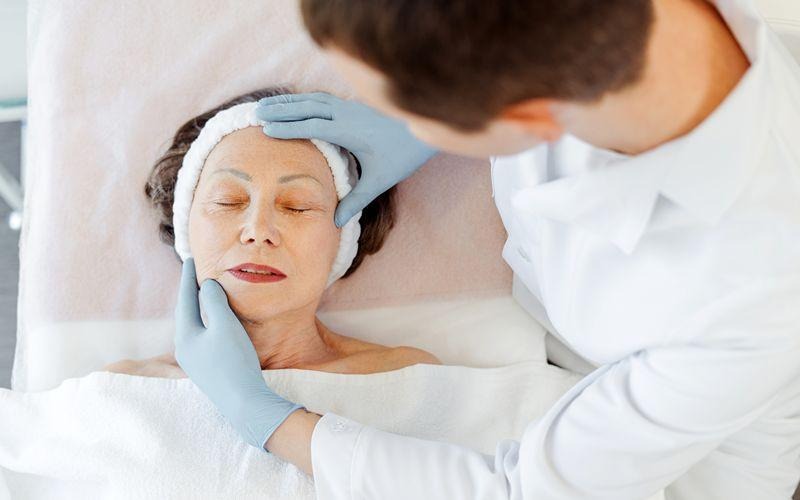
A facial in Singapore is often booked for relaxation, yet many people expect it to function as rejuvenation without recognising the difference. Rejuvenation depends on consistent stimulation and recovery, not isolated sessions spaced months apart. When expectations centre on immediate firmness or brightness, results feel short-lived rather than cumulative. Knowing when a facial contributes to longer-term skin renewal sets the boundary between supportive treatment and misplaced expectation.
1. Facials Support Surface Renewal, Not Structural Change
Facials work on the upper layers of the skin, where hydration, circulation, and gentle stimulation improve texture and clarity when performed regularly. These effects can soften fine lines, refresh dull skin, and help maintain surface condition over time, which explains why facials are often associated with a visible glow. However, concerns such as volume loss, sagging, or deeper tissue laxity originate below this surface level and remain outside the reach of facial techniques. Expecting structural lifting in these cases shifts the treatment beyond its intended function and leads to outcomes it cannot realistically deliver.
2. Rejuvenation Requires Continuity, Not Occasional Sessions
Face rejuvenation treatments rely on repeated stimulation followed by recovery, which allows the skin to adapt and improve over time rather than respond once and reset. A single facial in Singapore can brighten or smooth the skin briefly, but without consistent follow-up, those effects fade as the skin returns to its baseline state. When facials are booked months apart, they act as short-term refreshers instead of supporting cumulative change. It is this continuity, rather than treatment strength or intensity, that determines whether facials contribute meaningfully to longer-term rejuvenation.
3. Immediate Results Can Mask Long-Term Limits
Post-facial glow, temporary plumping, or improved tone can suggest that face rejuvenation is taking place, yet these changes are short-term responses to increased hydration and circulation rather than signs of deeper progress. When early brightness is treated as proof of lasting improvement, expectations rise faster than the skin can sustain. As the skin settles back to baseline, the initial effect fades, and results feel underwhelming. Recognising this pattern helps separate momentary enhancement from changes that build through repeated stimulation over time.
4. When Facials Fall Short of Rejuvenation Goals
Facials begin to fall short once concerns shift toward pronounced wrinkles, loss of facial volume, or visible sagging, because these changes originate below the surface layer that standard facials are designed to affect. Addressing them requires interventions that stimulate deeper structural support rather than surface renewal alone. When facials are relied on in these situations, sessions tend to repeat without producing lasting change, creating the impression of effort without progress. Recognising where this limit sits helps redirect time and attention toward treatments that can realistically influence the concern instead of persisting with options that cannot.
5. Facials as Maintenance Within a Broader Plan
Within a structured skincare approach, facials support face rejuvenation treatments by maintaining skin condition between more targeted procedures, particularly by preserving hydration and managing surface texture as the skin recovers. This upkeep stabilises the skin environment, which allows deeper or more corrective treatments to perform more predictably over time. When facials are positioned in this role, they function as ongoing maintenance rather than substitutes for procedures designed to address structural change.
Conclusion
A facial in Singapore stops contributing to face rejuvenation once it maintains its appearance without shifting outcomes over time. When each session restores the same level of brightness or smoothness but leaves deeper concerns unchanged, the treatment has reached its functional limit. Continuing past that point preserves surface condition rather than advancing renewal. The distinction becomes clear not through intensity or technique, but through whether results accumulate or simply reset after each visit.
Contact 21st Century Beauty Spa to discuss rejuvenation treatments.