
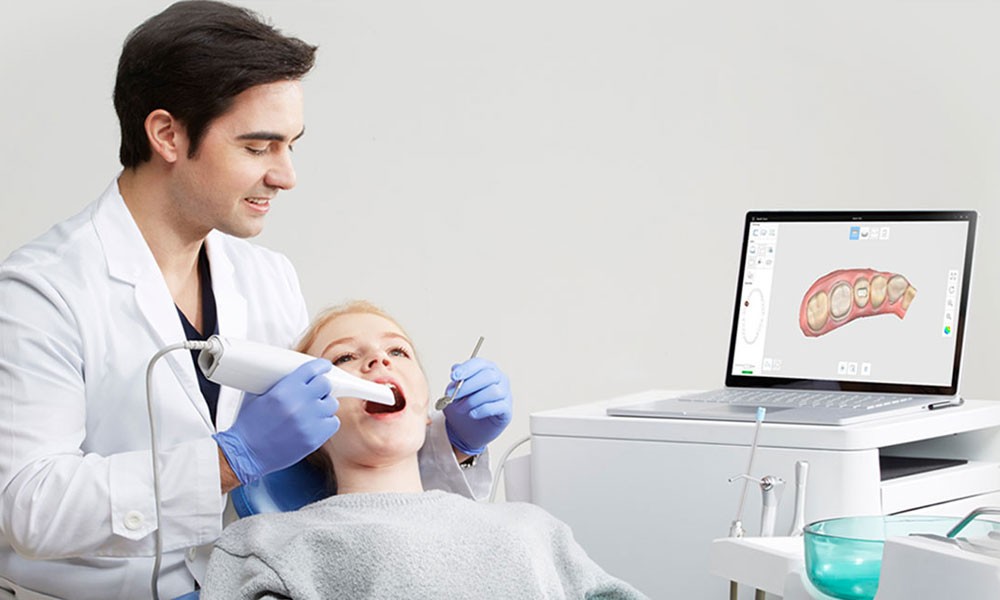
Dental emergencies can be sudden and painful, requiring immediate professional attention. Emergency dentist visits are designed to provide prompt care, relieve pain, and prevent further damage. In urgent situations, many patients begin searching for emergency dentist near me to get quick and reliable treatment. Understanding what happens during an emergency dental treatment can help patients feel more prepared and confident when visiting the dentist in such situations.
Initial Assessment
The first step in an emergency dental visit is a thorough assessment. The dentist evaluates the patient’s condition, asking questions about symptoms, the time the problem started, and any previous dental history. This initial discussion helps the dentist determine the severity of the emergency and the appropriate treatment plan.
Oral Examination
After the assessment, the dentist performs a detailed oral examination. They inspect teeth, gums, and surrounding tissues to identify the cause of pain or damage. The dentist may check for fractures, loose teeth, infections, or signs of gum disease. This examination helps ensure that the underlying problem is addressed, not just the symptoms.
Diagnostic Imaging
In many cases, the dentist will take diagnostic images, such as X-rays, to get a clearer view of the teeth and jaw structure. These images help identify hidden issues like root fractures, impacted teeth, or abscesses that are not visible during a regular examination. Accurate imaging is crucial for planning effective treatment.
Immediate Treatment
Once the evaluation is complete, the dentist provides immediate treatment to address pain and prevent further complications. Treatment may include cleaning and dressing an infected area, repairing a chipped or broken tooth, stabilising a loose tooth, or prescribing antibiotics for infections. In severe cases, temporary solutions may be applied until a full treatment plan can be completed.
Pain Management
Managing discomfort is a key part of emergency dental care. Dentists may use local anesthesia, prescribe pain relievers, or recommend homeDentists may use local anaesthesia, prescribe pain relievers, or recommend home remedies for short-term relief. including avoiding hard foods, practising good oral hygiene, and following any instructions provided by the dentist.
Follow-Up Care
After the immediate emergency is handled, follow-up care is often necessary to ensure proper healing and long-term oral health. This may involve further dental procedures, monitoring the treated area, or planning more extensive treatments such as crowns, root canals, or orthodontic adjustments. Regular follow-ups help prevent future emergencies and maintain a healthy smile.
Conclusion
Emergency dentist visits are crucial for addressing urgent dental problems safely and effectively. From initial assessment and oral examination to diagnostic imaging and immediate treatment, every step is designed to relieve pain and protect oral health. Understanding what to expect during these visits can help patients remain calm, follow instructions carefully, and achieve the best possible outcomes for their dental health.