
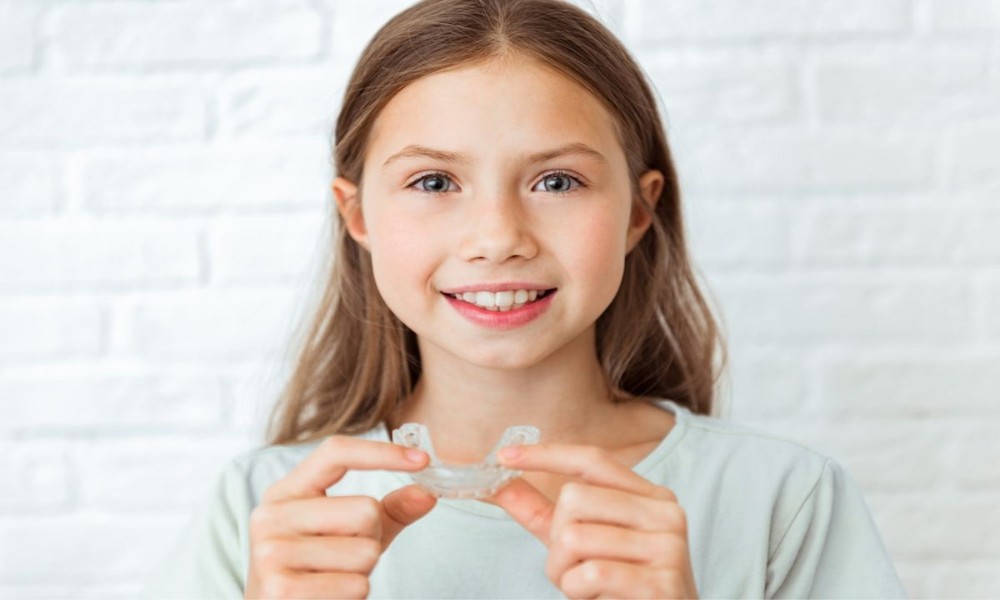
At some point, most parents notice little changes in their child’s smile, maybe some crowding, a tooth coming in at an odd angle, or gaps that seem confusing. And then comes the question: Should we do something now, or just wait it out?
It is not always clear. That is where Invisalign first starts to make sense. It is less about rushing into treatment and more about guiding things early, before small issues grow into bigger ones.
If you are unsure, speaking with a trusted orthodontist in Reno, like the team at D’Ascoli, can really help put things into perspective. They will check how your child’s teeth and jaw are developing and let you know if early intervention is actually needed. Sometimes the answer is yes. Sometimes it is “let us wait.” Either way, you walk away feeling more certain.
What Exactly Is Invisalign First?
Invisalign First is designed for younger children, typically between ages 6 and 10, when baby teeth and permanent teeth are both present.
It is part of what orthodontists call Phase 1 treatment. The goal is not perfection right away. It is guidance. Creating space, improving alignment, and helping the jaw grow in the right direction.
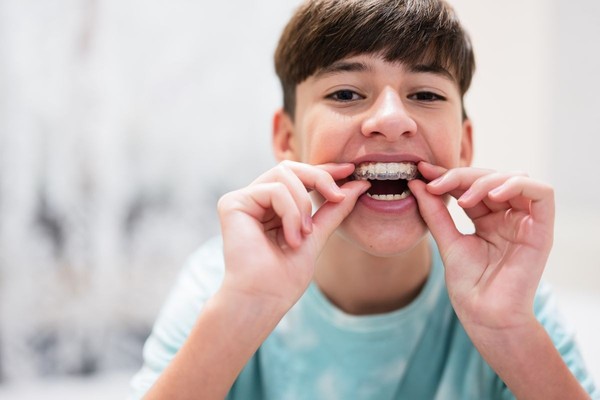
Instead of wires and brackets, it uses clear, detachable aligners. Kids switch them every week or two, and over time, the changes add up. Quietly, gradually.
Why Early Treatment Can Help
This is where things get interesting. Early treatment is not always about what you see; it is about what is coming.
- Creates room for permanent teeth
- Helps guide jaw development
- Reduces the chances of severe crowding later
- Can simplify future orthodontic work
It is a bit like fixing the foundation before building the house. Less stress later on.
Why Many Parents Prefer It
Let us be honest, comfort and convenience matter, especially for kids.
- Nearly invisible: Kids don’t feel awkward wearing them
- Removable: Meals and brushing stay normal
- More comfortable: No wires poking or sudden discomfort
- Flexible fit: Designed to adapt as the mouth grows
And yes, kids are often more cooperative when something feels easy to manage.
The Not-So-Simple Side
It is helpful, but it does come with responsibility.
- Needs to be worn 20-22 hours daily
- Can be misplaced or forgotten
- Requires regular cleaning
- Not every child actually needs early treatment
So, a bit of supervision from parents becomes part of the process.
What the Treatment Journey Looks Like
The steps are fairly straightforward, even if the journey varies:
Some kids finish quickly. Others take more time. It really depends on how their teeth are developing.
Final Thoughts
Invisalign First is not about doing more; it is about doing things at the right time. For some children, early guidance makes everything smoother later. For others, waiting is perfectly fine.
The key is understanding what your child actually needs, not what sounds appealing or popular. Because in the end, it is not just about straight teeth. It is about a healthy, confident smile that grows naturally with them. Top of Form