
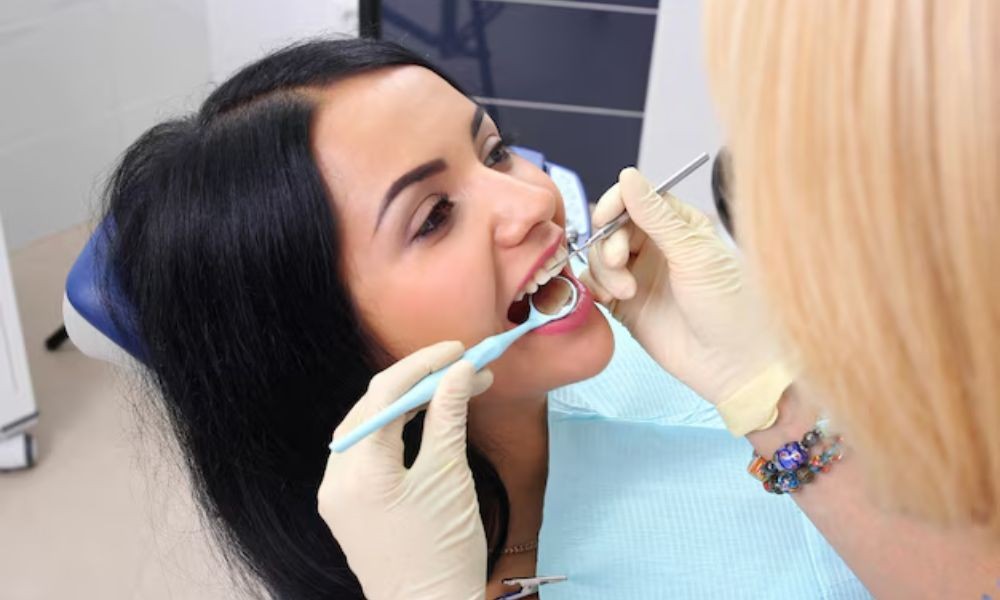
Clear aligners have become a popular choice in modern orthodontics, offering a comfortable and discreet way to straighten teeth compared to traditional braces. However, with many options available, choosing the right clear aligner system is essential for achieving effective and predictable results. Orthodontic practices must consider factors such as treatment planning technology, material quality, patient comfort, and case complexity before selecting a suitable system.
Understanding Treatment Needs
The first step in choosing a clear aligner system is understanding the treatment needs of patients. Some systems are designed for simple cases, while others can handle more complex alignment issues. Orthodontists should evaluate the types of cases they commonly treat and choose a system that matches those requirements. This helps ensure better outcomes and patient satisfaction.
Accuracy and Treatment Planning
A reliable, clear aligner system should offer accurate treatment planning. Advanced systems use digital scans and software to map out the movement of teeth step by step. This allows orthodontists to plan treatments carefully and monitor progress. Systems with precise planning tools help reduce errors and improve overall efficiency.
Material Quality and Comfort
The quality of the aligner material plays an important role in treatment success. High-quality materials are strong, flexible, and comfortable for patients to wear. Aligners should fit properly and apply gentle pressure to move teeth gradually. Comfortable aligners encourage patients to wear them consistently, which is essential for effective results.
Ease of Use for Professionals
Orthodontic practices should also consider how easy the system is to use. This includes the process of taking impressions or scans, ordering aligners, and managing cases. A user-friendly system can save time and reduce complications. Efficient workflows allow professionals to focus more on patient care.
Turnaround Time and Support
Timely delivery of aligners is important for maintaining treatment schedules. Practices should choose systems that offer reliable turnaround times and consistent support. Good customer service, technical assistance, and clear communication can make the treatment process smoother for both professionals and patients.
Cost and Value
Cost is another important factor when selecting a clear aligner system. While some systems may be more expensive, they may also offer better features and support. Orthodontists should consider the overall value, including quality, reliability, and patient satisfaction. Choosing the right balance between cost and benefits is essential.
Conclusion
Choosing the right clear aligner system is an important decision for modern orthodontic practices. Factors such as treatment needs, accuracy, material quality, ease of use, support, and cost all play a role in making the right choice. By selecting a reliable system, orthodontists can provide effective treatments, improve patient experience, and achieve successful results in modern orthodontic care.